AGP Executive Report
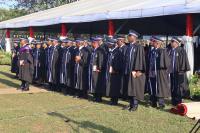
Last update: 11 hours agoRegional Connectivity: Paratus has opened a new network hub in Dar es Salaam, adding links between Tanzania, Maputo, Johannesburg and Eswatini and widening regional and international connectivity options for businesses and internet providers. Climate Research: A study covering Eswatini and six neighbouring countries examines how changing rainfall could affect pastoralists’ livestock and livelihoods, as hotter, drier seasons heighten pressure on rural communities. Cybersecurity: Eswatini joined 20 African countries in INTERPOL’s Operation Serengeti III, which reported 1,462 arrests, more than $105 million recovered and nearly 11,000 malicious networks disrupted. Skills and Infrastructure: Thirty-four police officers graduated in Police Science as the service seeks to strengthen its response to cybercrime. UNESWA also needs E1 billion to modernise teaching facilities and expand ICT infrastructure.
Note: AI summary from news headlines; neutral sources weighted more to help reduce bias in the result. Feedback is welcome. Please let us know if you have any comments or suggestions about the AGP Executive Report.




 Perspectify News